CQC Regulation Changes for Combat Sports Events: What Promoters Need to Know
Central Ambulance Service · 14 August 2026
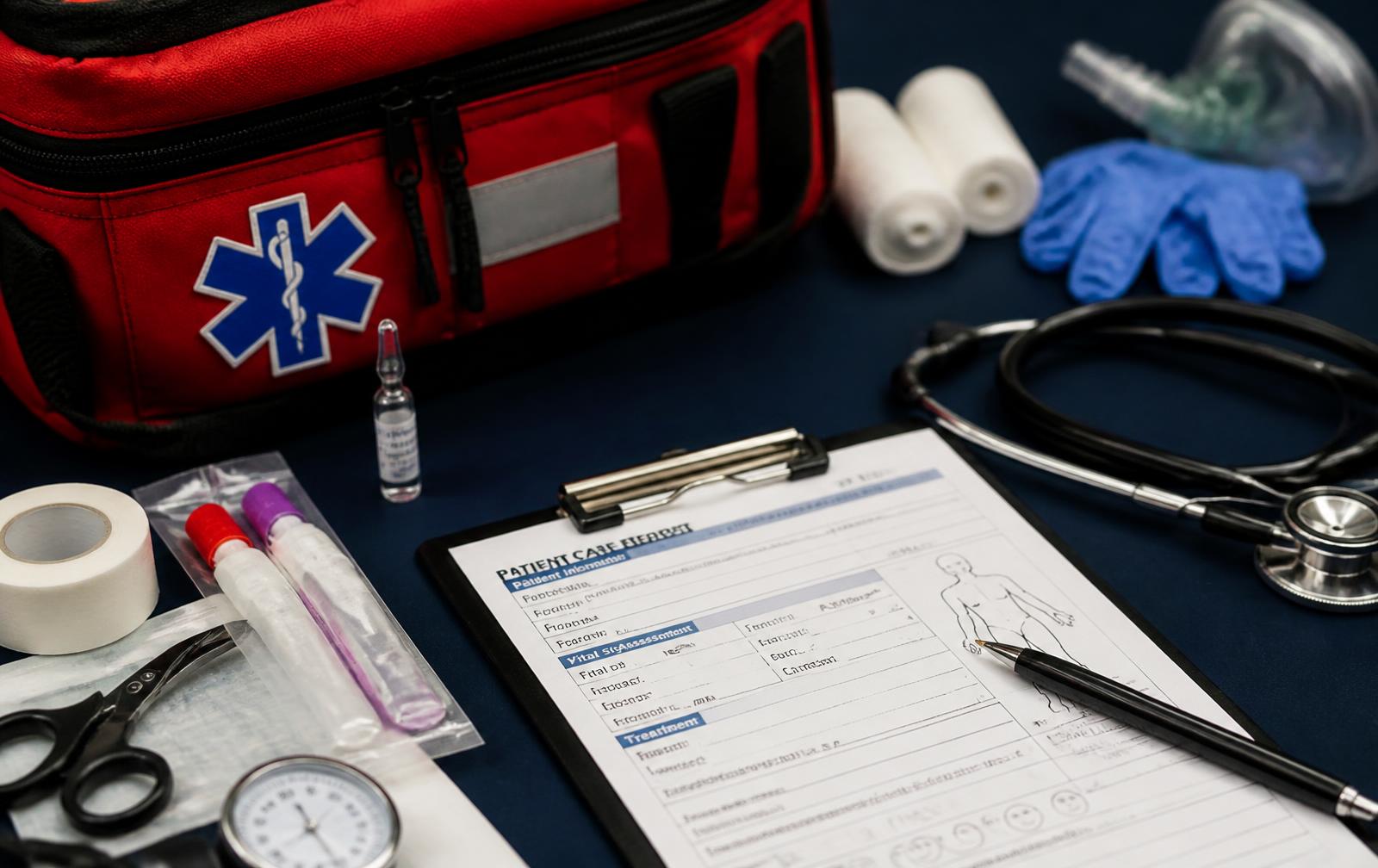
Event medical services in England are being brought under formal regulation. Under the Health and Social Care Act 2008 (Regulated Activities) (Amendment) Regulations 2026, medical providers working at sporting and cultural events — including every form of combat sports — will need to be registered with the Care Quality Commission where they deliver regulated clinical care.
The change follows the Manchester Arena Inquiry, which raised serious concerns about the consistency and oversight of medical provision at large events. Under the new framework, delivering regulated event medical services without CQC registration becomes a criminal offence on 6 December 2027.
If you are promoting boxing, MMA, muay thai, kickboxing or bare-knuckle events, this affects you directly — not just your medical provider. Combat sports carry an inherent and deliberate risk of injury, and the quality of the clinical team at your show is one of the few things standing between a routine night and a serious incident. This guide explains what has changed, what counts as regulated care, and the practical steps worth taking now.
What has actually changed
Until now, medical services provided at sporting and cultural events sat largely outside CQC's remit. Providers could deliver clinical care at an event without any independent scrutiny of their governance, staffing, safeguarding or record keeping. Standards varied enormously, and there was no reliable way for a promoter to tell a well-run clinical operation from a poorly run one.
The 2026 amendment removes those exemptions for services that amount to the regulated activity of treatment of disease, disorder or injury. Where a provider delivers that activity at your event, CQC now has jurisdiction: the provider must register, is subject to inspection, and must meet the fundamental standards of care that apply to any regulated healthcare organisation. From 6 December 2027, operating without that registration will be a criminal offence.
Who this affects
- Event medical providers delivering regulated clinical services.
- Promoters and event organisers, who are expected to satisfy themselves that their provider is compliant.
- Venues, which increasingly carry contractual responsibility for the medical arrangements on their premises.
Why it happened
The Manchester Arena Inquiry findings in November 2022 drew attention to gaps in the oversight of event medical care, and built on concerns CQC had already raised in its 2019 consultation on independent ambulance services about variable quality and safety. The objective of the amendment is straightforward: bring event medical care up to a consistent, inspectable standard and close a long-standing regulatory gap.
Understanding TDDI: treatment of disease, disorder or injury
TDDI is the regulatory trigger. If your medical provider delivers it, they must be registered. Put simply, TDDI is any service where a registered healthcare professional uses their professional standing to assess, diagnose, monitor, treat or plan treatment for a person.
What is regulated
- Paramedic-led medical cover at events, including response to medical emergencies and treatment of injuries.
- Doctors or nurses providing diagnosis, treatment or clinical monitoring.
- Healthcare professionals formulating a treatment plan.
- Advanced care: airway management, wound assessment, administration of medicines.
- Professional wound closure and suturing.
- Diagnostics with clinical interpretation, such as ECG or blood pressure monitoring.
- Any on-site assessment or treatment of injury or illness where professional clinical judgement is applied.
In combat sports specifically
- Paramedics managing fighter injuries during or after a bout, including assessment, wound care and clinical decision-making.
- Doctors carrying out ringside or cageside medical assessments.
- Clinicians advising on a fighter's fitness to compete or continue.
- Management of medical emergencies such as cardiac events, seizures or major trauma.
- Laceration management and wound closure by a healthcare professional.
- Assessment and monitoring of suspected concussion or other neurological presentations.
What is not regulated
- Basic first aid alone: immediate response to sudden illness or injury intended to preserve life or prevent deterioration until professional help arrives.
- First aiders who are not registered healthcare professionals.
- A healthcare professional intervening in an unexpected emergency they happen to witness, rather than under a contract to provide medical services.
- General health and safety oversight where no clinical treatment is delivered.
- Certain movement of patients within the confines of a venue, which carries specific exceptions worth clarifying case by case.
In combat sports specifically
- A first aid post handling minor cuts, bumps and unwell spectators.
- Trained first aiders giving an initial response without applying clinical judgement.
- A doctor attending as a spectator who steps in to deliver immediate life-saving care.
The distinction that matters
First aid is immediate, basic care given by someone who is not acting in a registered professional capacity. TDDI is professional assessment, diagnosis, treatment or monitoring by a registered healthcare professional. If professional clinical judgement is being used, the activity is regulated and registration is required. On a combat sports card, almost everything a doctor or paramedic does at ringside falls on the regulated side of that line.
Why this matters more in combat sports than almost anywhere else
Combat sports are unusual among regulated events because injury is not an unfortunate by-product — it is a foreseeable consequence of the activity itself. Deliberate blunt force trauma, head impacts and a high volume of time-critical clinical decisions make the medical team a core part of the event's safety case rather than a contingency parked in a side room.
The decisions made at ringside are consequential. Whether a fighter is fit to continue, whether a laceration can be safely closed on site, whether a head injury needs immediate imaging, whether a bout should be stopped — these are clinical judgements with real outcomes for the athlete and real liability implications for the promotion.
Compliance is now a legal question as well as a clinical one. From 6 December 2027, engaging an unregistered provider to deliver regulated care exposes the provider to criminal liability and leaves the organiser in an indefensible position if something goes wrong. Insurers are likely to take the same view: event policies increasingly ask whether medical cover was delivered by a registered provider, and a negative answer is a difficult conversation to have after an incident rather than before one.
There is a reputational dimension too. Fighters, managers and matchmakers notice how a show handles its medical operation, and that reputation travels quickly.
What promoters should be doing now
Audit your current medical cover
Establish who is contracted, exactly which services they deliver at your events, and whether they are CQC registered today.
Ask your provider directly
Do not infer registration from a professional-looking website or a fleet of vehicles. Ask the question plainly and ask for evidence.
Understand where the line falls for your event
Work out which of the services your show needs are first aid and which amount to TDDI. A professional card with cageside doctors and on-site wound closure will sit firmly in regulated territory.
Review insurance and liability
Check whether your event policy requires a registered medical provider, and confirm you would be covered if it turned out your provider was not.
Plan ahead
If your current provider is not yet registered, ask about their timeline. If you need to change provider, start that process early rather than waiting until the compliance deadline is close. Build the compliance check into your standard event planning alongside venue, licensing and insurance.
Acting now is simply easier than acting later. The providers who take the requirement seriously will be through the registration process well before the deadline.
Questions worth asking your medical provider
- Are you CQC registered? A direct yes or no, with a registration number you can verify.
- What services do you deliver at combat sports events? Understand their full scope — paramedic response, ringside assessment, wound closure, emergency management.
- Which of those services fall under TDDI? A well-run provider will answer this fluently.
- What is your position once the compliance deadline has passed if registration is not in place? Their answer tells you how seriously they treat the requirement.
- Can you provide documentation of your registration? Keep a copy on file with your risk assessment.
- What happens if a fighter needs emergency transport to hospital? You want clarity on vehicles, crews, receiving hospital and hand-off to NHS services.
- What medical equipment and protocols do you use? This shows whether the scope of care they describe is genuinely deliverable on the night.
Keep the answers in writing. If a dispute or an inquiry follows an incident, the documentation you gathered beforehand is what protects you.
The bottom line
Regulation is now law. CQC registration for event medical providers delivering TDDI is a legal requirement, not a badge of quality that providers may choose to pursue.
If your provider delivers professional clinical assessment, treatment, diagnosis or monitoring, they must be registered by 6 December 2027. Basic first aid delivered by trained first aiders remains outside the requirement.
Combat sports events are squarely affected. Given the nature of the sport, the overwhelming majority of professional and semi-professional shows require regulated services — which means the medical provider must be registered.
Promoters carry responsibility for verifying this. Engaging an unregistered provider after 6 December 2027 creates legal exposure for the organiser as well as the provider.
Above all, this is a safety measure. The purpose of the change is to make good medical care at events the consistent standard rather than the fortunate exception.
Questions about compliance for your event?
If you are unsure whether your medical provider is registered, which services at your event count as regulated, or what the new requirements mean for your upcoming dates, we are happy to talk it through.
Central Ambulance Service provides regulated, doctor-led medical cover for combat sports events across the UK, and we are glad to answer questions or review your current arrangements — whether or not you end up working with us.
Call 01613007988 or use the contact form to get in touch.
Central Ambulance Service provides doctor-led medical event management for UK combat sports. See our services or read how we protect your promotion on the compliance page.